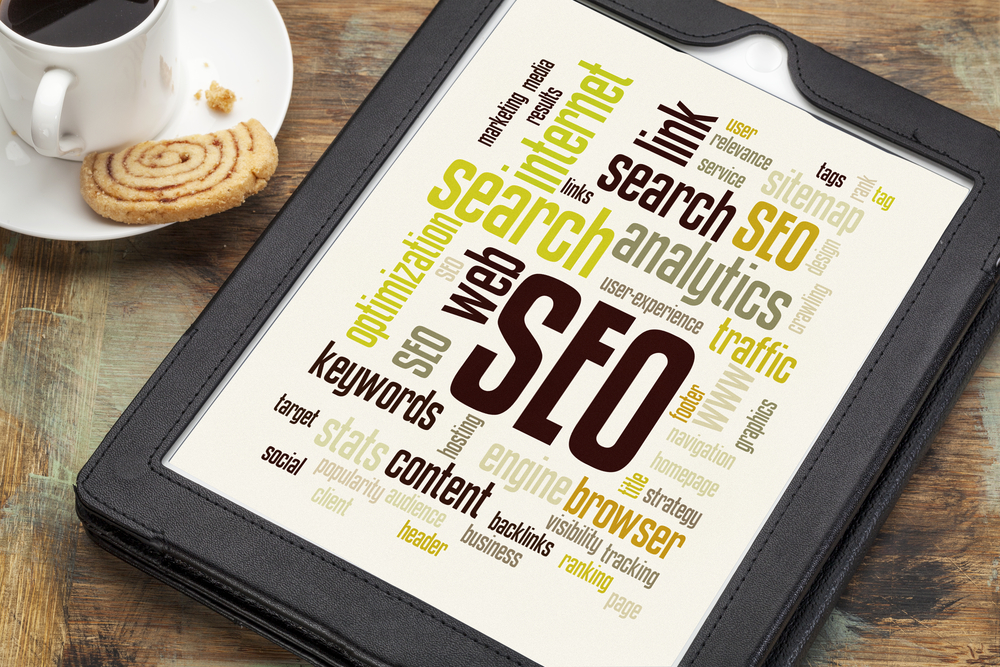
In today's digital age, having a strong online presence is vital for the success of any business. Whether you have a small blog or a big e-commerce website, ensuring that your content reaches the right audience is crucial. This is where SEO (Search Engine Optimization) and link building come into play.
What is SEM/SEO ?
SEO refers to a set of techniques and strategies that help improve your website's visibility on search engine results pages (SERPs). By optimizing your website for search engines, you increase the chances of your content appearing in organic (non-paid) search results. With the majority of online experiences beginning with a search engine, it is essential to understand and implement SEO/SEM to boost your website's ranking.
Why is SEO (or SEM) important?
Simply put, SEO helps drive organic traffic to your website. When done right, it can significantly improve your website's visibility, increase brand awareness, and bring in potential customers. Ranking higher on search engine results also implies credibility and authority in your niche or industry. Without SEO (search engine optimization) , your website might remain buried deep in search results, never getting the attention it deserves.
Understanding Link Building
Link building is an integral part of SEO and plays a crucial role in improving your website's ranking. It involves acquiring hyperlinks from other websites to your own. These inbound links act as "votes" of confidence, indicating to search engines that your content is valuable and trustworthy. The more high-quality and relevant backlinks your website receives, the higher its authority becomes.
Tips and Tricks for Effective SEO and Link Building
1. Create Engaging and Relevant Content: Content is king when it comes to SEO. By producing high-quality, valuable content that is relevant to your target audience, you increase the chances of other websites linking back to your content.
2. Optimize On-Page Elements: Start by optimizing your website's title tags, headings, meta descriptions, and URLs. Incorporate relevant keywords naturally, keeping in mind that keyword stuffing can do more harm than good.
3. Build a Strong Internal Link Structure: Internal links help search engines navigate and understand your website's structure. By interlinking relevant pages and blog posts, you improve user experience and make it easier for search engines to crawl and index your content.
4. Perform Competitor Research: Analyzing your competitors' SEO strategies can provide valuable insights and ideas. Identify their top-performing pages, keywords, and backlinks to gain a competitive edge. Tools like SEMrush and Ahrefs can help you gather this data.
5. Guest Blogging and Outreach: Collaborate with other websites in your industry through guest blogging opportunities. By creating informative and well-written articles for these websites, you can earn high-quality backlinks and reach a wider audience.
6. Monitor and Analyze Your Performance: Regularly monitor your website's SEO performance using tools like Google Analytics and Google Search Console. Analyze key metrics such as organic traffic, bounce rate, and conversion rates to measure the effectiveness of your SEO efforts.
FAQs
Q1. How long does it take for SEO to show results?A1: SEO is a long-term strategy, and results can vary depending on various factors such as competition, industry, and the quality of your SEO efforts. It typically takes several months to see significant improvements, but consistency and patience are key.
Q2. Should I focus on link quantity or link quality?
A2: Quality always trumps quantity when it comes to link building. Focus on acquiring high-quality backlinks from authoritative websites in your industry. A few high-quality backlinks are more valuable than numerous low-quality ones.
Q3. Will social media activity affect my SEO ranking?
A3: Social media activity indirectly affects SEO by increasing visibility and driving traffic to your website. While social signals (likes, shares, comments) may not directly impact search engine rankings, a strong social media presence can contribute to higher engagement and brand awareness.
Q4. How often should I update my website's content?
A4: Updating your website's content regularly is crucial for SEO. Adding fresh content, refreshing existing pages, and publishing blog posts consistently signal to search engines that your website is active and relevant. Aim for regular updates, be it weekly, bi-weekly, or monthly, depending on your capacity.
Q5. Are there any shortcuts or quick fixes in SEO?
A5: Avoid shortcuts or black-hat SEO techniques that violate search engine guidelines. While these methods may offer short-term gains, they can lead to severe penalties and harm your website's reputation in the long run. Stick to ethical and sustainable SEO practices for lasting results.
Conclusion
Mastering SEO and link building is an ongoing process that requires dedication, effort, and continuous adaptation to the ever-evolving search engine algorithms. By following the tips and tricks mentioned in this guide, you can enhance your website's visibility, attract organic traffic, and ultimately boost its ranking. Remember, building a solid foundation and consistently delivering valuable content should be at the core of your SEO strategy.
Other useful resources
- https://www.seoguru24.com/listing-category/seo-tools-and-services/
- https://www.seoguru24.com/topics/seo-and-link-building-tips/
- https://www.seoguru24.com/promote-website/
